
ASUU Strikes Raised a Generation of Self-Taught Students
Years of lost academic calendar time forced Nigerian undergraduates to become their own curriculum designers, for better and worse
Ask a Nigerian university graduate from the last decade to describe their undergraduate experience, and the answer rarely begins with their course of study. It usually begins with the strikes, the eight-month closure in one year, the shorter but equally disruptive stoppage two years later, the running mental tally every student in a federal university eventually learns to keep of cumulative lost semesters. For a generation that entered university expecting a four-year programme and often left closer to six or seven years later, the academic calendar itself became an unreliable narrator of their own education, and in the gaps it left behind, something unplanned and genuinely significant happened, students built their own parallel curriculum simply to avoid losing years of momentum entirely.
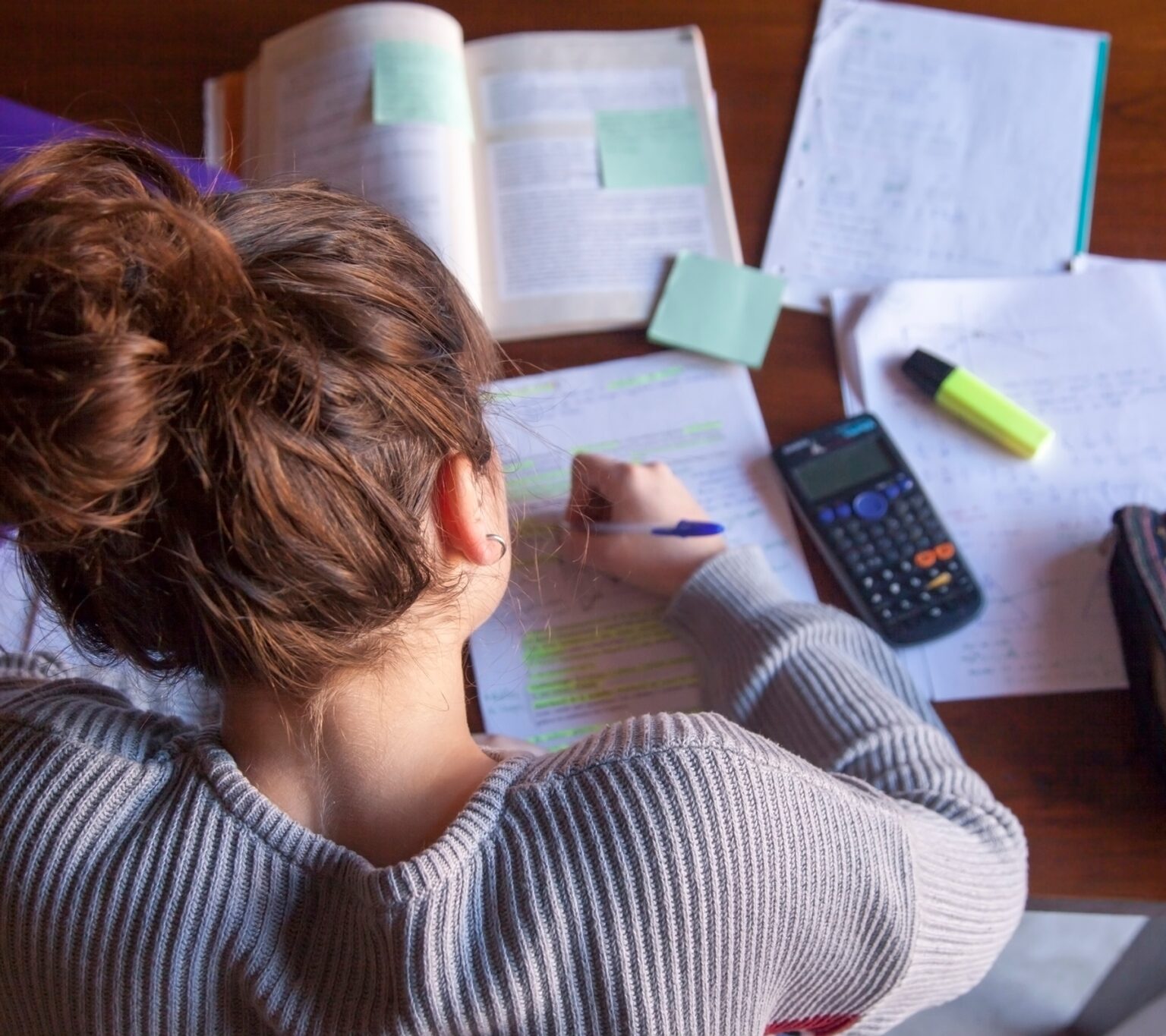
This self-taught generation did not set out with any grand pedagogical theory. The motivation was far more immediate, a fear of forgetting foundational material during a seven-month closure with no fixed reopening date, combined with an awareness that lecturers, once classes eventually resumed, would move through compressed syllabi at a pace that assumed no gap had occurred at all. Students facing this reality began, independently and often in informal study groups organized through phone contacts kept alive during the strike, working through textbooks, recorded lectures and increasingly, free online courses, simply to arrive back on campus not having lost the thread of their own degree.
The Unexpected Upside of a Genuine Crisis
Some of what emerged from this forced self-reliance has proven genuinely valuable in ways few would have predicted during the actual disruption. Students who learned to structure their own study time during a strike, without the external scaffolding of a fixed lecture schedule, often describe developing a form of academic discipline and self-direction that classroom-dependent learning rarely demands, since showing up to a scheduled lecture requires far less internal motivation than choosing, day after day with no institutional pressure at all, to keep working through a textbook on your own. Several graduates from this era, now in postgraduate study or professional careers, credit this involuntary training in self-directed learning as unexpectedly useful preparation for environments that similarly reward independent initiative over passive instruction.
The strikes also accelerated an entire generation's comfort with online and alternative learning resources well before this became a broader global trend during the pandemic years that followed. Nigerian students disrupted by strikes were, in many cases, already fluent in sourcing lecture recordings, study guides and supplementary explanations from international platforms, having built that habit out of pure necessity years earlier, a form of readiness that put them in a genuinely unusual position relative to peers elsewhere once remote learning became a global norm rather than a Nigerian-specific workaround.
Nobody should have to learn self-reliance this way, through repeated institutional failure rather than deliberate design, but having learned it this hard, many of that generation do not plan to unlearn it.
None of this should be read as an argument that the strikes were, on balance, good for Nigerian education, a conclusion that would be both insulting to the students who genuinely suffered delayed graduation, lost scholarship opportunities and extended financial dependence on families already stretched thin, and dishonest about the real academic gaps that self-directed study, however diligent, cannot fully substitute for structured laboratory work, mentorship and the specific expertise a qualified lecturer provides that no online video can fully replicate. Many students emerged from this period with real gaps in foundational knowledge that followed them into their professional lives, a cost that should never be minimized in service of a tidier narrative about resilience.
What deserves more honest acknowledgment, though, is how much of this generation's resourcefulness has gone entirely uncredited by the institutions whose repeated dysfunction forced it into existence. Universities rarely acknowledge, in any formal way, that their students built an entire shadow education system simply to survive the university's own operational failures, and that shadow system's success, such as it is, says far more about individual student resilience than it does about any institutional strength worth celebrating.
The more useful lesson going forward is not to romanticize strike-induced self-reliance as a hidden blessing, but to ask what it would look like to deliberately build some of its genuine benefits, structured independent learning skills, comfort with diverse learning resources, into a stable, uninterrupted academic calendar instead of leaving students to discover those skills only through crisis. A generation should never have to learn self-direction by surviving repeated institutional collapse. But having learned it that way, it would be a waste not to ask what, if anything, Nigerian higher education might deliberately preserve from a lesson its own students were never supposed to have to teach themselves in the first place.
More in Education & Learning
Browse every story Hisparadise Media has published in this section.
Want Hisparadise Media to Write About You?
Tell us your story — if it fits, our editorial team will profile you just like this.
Read More
 Education & Learning
10 Proven Study Habits That Will Help You Learn Faster and Remember More
Coding Bootcamps Promised Tech Jobs. Did They Deliver?
 Education & Learning
Comments (0)
Log in to join the discussion.
Be the first to comment.